
Folklore
Since the dawn of history, Icelanders have told fantastic tales of their strange encounters with the many peculiar supernatural beings with which they share the land. From the extraordinary Lyngbakur—a fishermen-eating whale giant that disguises himself as an island—to the trolls of day and night, Icelandic folklore is riddled with countless tales of fantastic spirits that reflect the unique natural landscapes in which they reside.
During the long dark winter nights of old, storytelling was the chief form of Icelandic entertainment, with each region fostering its very own bulk of tales and legends that were passed down from generation to generation throughout the centuries.
But these peculiar accounts, which have been recorded and collected from as early as the 12th century, were not mere instruments of pastime activity; they reflect the harsh and distinct natural environment in which Icelander’s struggled to survive and served as educational tools that taught our children how to live in an unforgiving wilderness while nurturing in them a sense of things too subtle for the human eye to register.
The stories of antiquity are allegorical accounts that teach their audience to respect both the spirits of the land, and the natural environment in which they reside, where earthquakes, volcanos, and extreme weather conditions constantly pose a very real and tangible threat.
Elves in Iceland
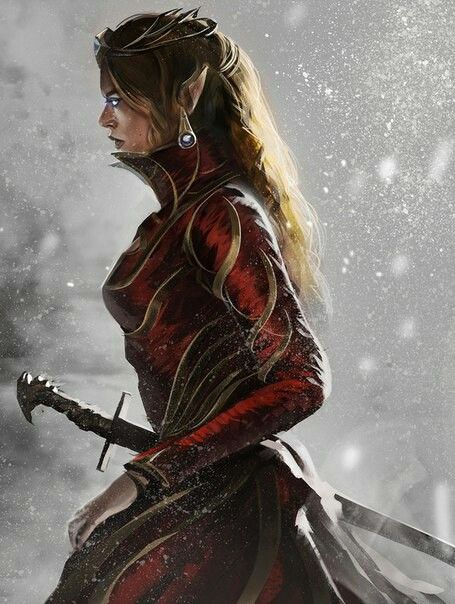
Elves appear frequently in Northern European and Germanic mythology where they are generally described as beautiful and subtle eternal beings who are in possession of great powers. The Icelandic elves, however, are their own species.
Commonly referred to as Huldufólk (hidden people), the elves of Iceland live in enchanted rocks and cliffs where they lead lives that are very similar to those lead by humans; they keep livestock, cut hay, row fishing boats, pick berries and go to church on Sundays.
Despite these resemblances—or perhaps precisely because of them—the hidden people prefer to be left alone and usually remain invisible, only allowing themselves to be seen in particular situations and at specific times like New Year’s Eve and Midsummer’s Night.
Hidden people are known to be extremely protective of their homes and will cause great harm to those who disturb them. In fact, countless episodes that reflect the fiercely territorial elfin nature have been thoroughly documented and building projects in Iceland are frequently altered to avoid causing damage to enchanted rocks and cliffs in which hidden people have made their home.
The most recent incident occurred in 2015 when a new road was to be laid through an enchanted spot in the lava field of Gálgahraun. After many failed attempts, where heavy machinery had continually broken down for no apparent reason and numerous workers had suffered freak accidents, the construction company was forced to move the road so that it would bypass the elfin community completely.
Needless to say, most Icelanders firmly believe in the existence of elves and recent polls have shown that more than 55% of the nation subscribes to such a belief in one way or another. These statistics might, however, be influenced by the fact that denying the existence of elves is believed to bring about a lifetime of extremely bad luck.
Trolls in Iceland
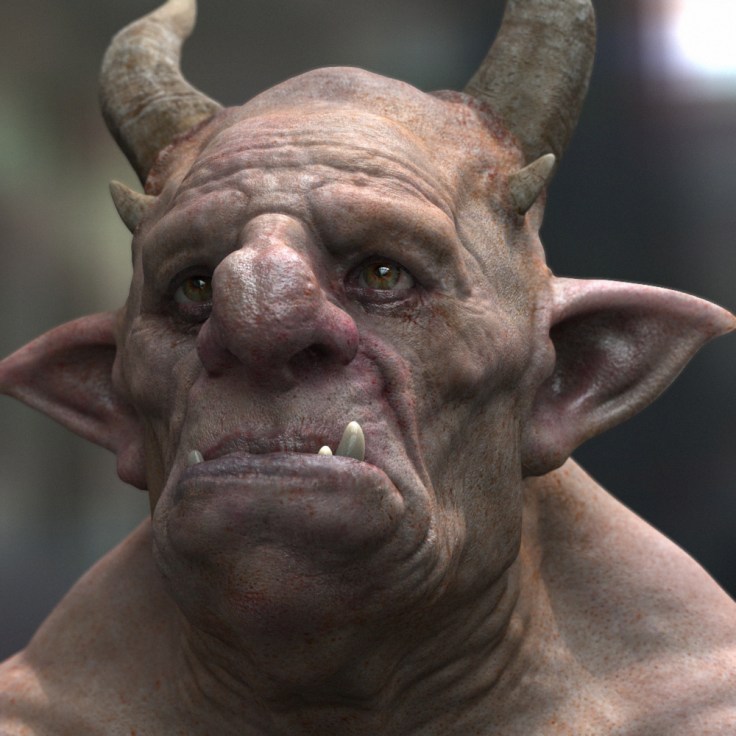
Habitually described as big, stupid and greedy—but sometimes kind and wise—the trolls of day and night occupy an immense portion of Icelandic folklore. Like elves, trolls become enraged when one does them harm, but one can expect to be richly rewarded when helping a troll in need.
Although they are in general not considered as appealing as their elfin counterparts, trolls are just as capable of extraordinary magical feats and are known to cast terrible spells and enchantments—but do to their low intelligence, humans can usually free themselves of their enchantments quite easily.
Icelandic trolls live in rocky mountains, deep in the uninhabitable Icelandic highlands. They like the taste of flesh and are known to lure unsuspecting humans into their caves with spells, magic potions or simply by taking them captive. And since trolls are known to steal and eat misbehaving children, troll stories often serve the purpose of keeping mischievous children at bay.
Most trolls can only travel by night and will turn to stone as soon as they are hit by sunlight. Many magnificent Icelandic rock formations are said to be the petrified remnants of trolls who suffered the harsh fate of the sun and derive their names directly from such accounts, for example, West Iceland’s Skessuhorn (Troll Woman’s Peak) and Tröllaskarð (Troll’s Pass) in North Iceland.
According to legend, the three titanic rocks off the beach of Reynisfjara, are the petrified remains of careless trolls who were hit by the light of day while unsuccessfully trying to drag a three-masted ship to land; and the Hvítserkur cliff of the Vatnsnes Peninsula in northwest Iceland is said to be a troll that turned to stone after spending too much time tearing down the bells of the Þingeyraklaustur monastery.
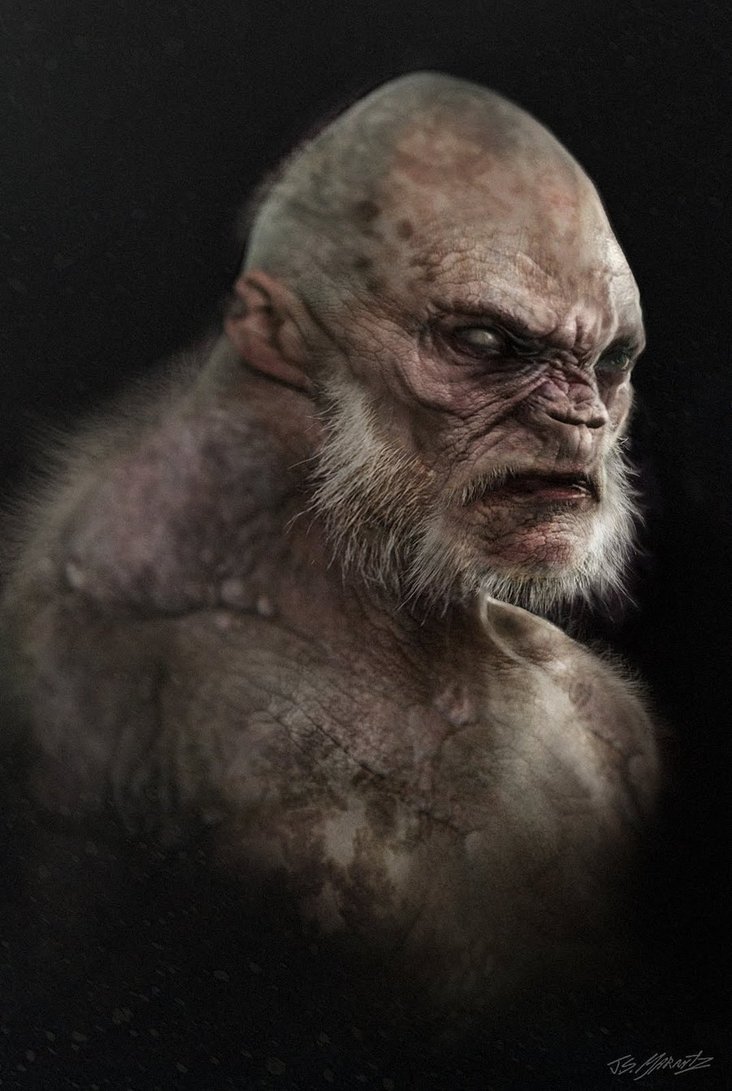
I come completely from the mountains!
 Iceland
Leave a comment